
How the Heat Can Affect Your European Vehicle’s Timing Belt and Why It Matters
Rob's Import Repair • June 10, 2025

June 10, 2025

When it comes to the maintenance of your European vehicle, one crucial component that often gets overlooked is the timing belt. The timing belt plays a significant role in the proper functioning of your car’s engine, ensuring that the valves open and close at the right times. However, many car owners are unaware of how the heat can affect their vehicle’s timing belt and why it is essential to pay attention to this often neglected part. In this article, we will explore how heat can impact your European vehicle’s timing belt and why it matters for the overall health of your car.

Understanding the Timing Belt

Before delving into how heat can affect the timing belt, it is essential to understand what the timing belt does. The timing belt is a crucial component of your vehicle’s engine that synchronizes the rotation of the crankshaft and camshaft. This synchronization is vital for the proper opening and closing of the engine’s valves during the intake and exhaust strokes. Essentially, the timing belt ensures that the engine’s valves open and close at the precise times to allow for the optimal operation of the engine.

How Heat Affects the Timing Belt

Heat can have a significant impact on the timing belt of your European vehicle. High temperatures can cause the timing belt to deteriorate prematurely, leading to potential timing belt failure. When the timing belt fails, it can result in severe engine damage and costly repairs. Here are some ways in which heat can affect your vehicle’s timing belt:

  • Drying Out: Excessive heat can cause the rubber in the timing belt to dry out and become brittle. This can lead to cracking and ultimately belt failure.
  • Tension Changes: High temperatures can cause the timing belt to expand and contract, leading to changes in tension. This can result in improper timing belt alignment and potential engine misfires.
  • Deformation: Heat can cause the timing belt to deform, affecting its ability to properly synchronize the engine components. This can lead to engine performance issues and potential damage.

It is essential to keep in mind that European vehicles are often equipped with performance engines that generate more heat than standard engines. This makes it even more crucial to monitor the condition of the timing belt regularly and address any issues promptly.

Why It Matters

Now that we understand how heat can affect your European vehicle’s timing belt, let’s explore why it matters in the grand scheme of your vehicle’s performance and longevity. Here are some reasons why paying attention to your timing belt is crucial:

  • Prevent Costly Repairs: Ignoring the condition of your timing belt can lead to timing belt failure, which can cause severe engine damage. Replacing a timing belt is a relatively inexpensive maintenance task compared to repairing an engine damaged by a broken belt.
  • Ensure Engine Performance: A worn-out timing belt can lead to engine misfires, poor acceleration, and overall reduced performance. By ensuring that your timing belt is in good condition, you can maintain optimal engine performance.
  • Enhance Safety: A broken timing belt can lead to sudden engine failure, which can be dangerous, especially if it happens while driving. By proactively monitoring and replacing your timing belt when needed, you can enhance the safety of your vehicle.

Final Thoughts

The heat can have a significant impact on your European vehicle’s timing belt, potentially leading to timing belt failure and costly repairs. Regular inspection and maintenance of your timing belt are essential to ensure the proper functioning of your vehicle’s engine and avoid unexpected breakdowns. By understanding how heat affects your timing belt and why it matters, you can take proactive steps to keep your European vehicle running smoothly for years to come.

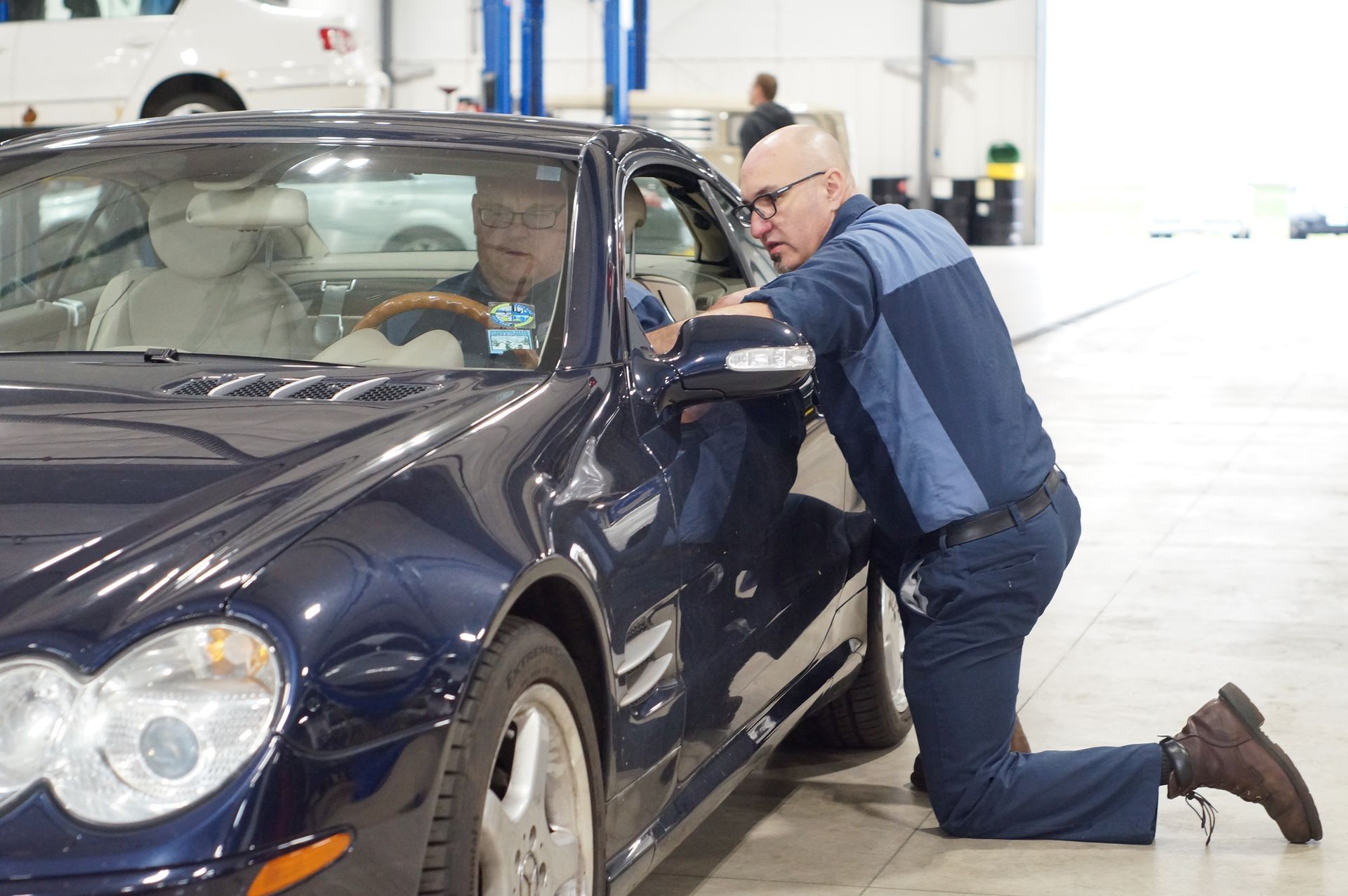
Mechanic kneeling, looking at driver in blue car. Shop setting, two men.
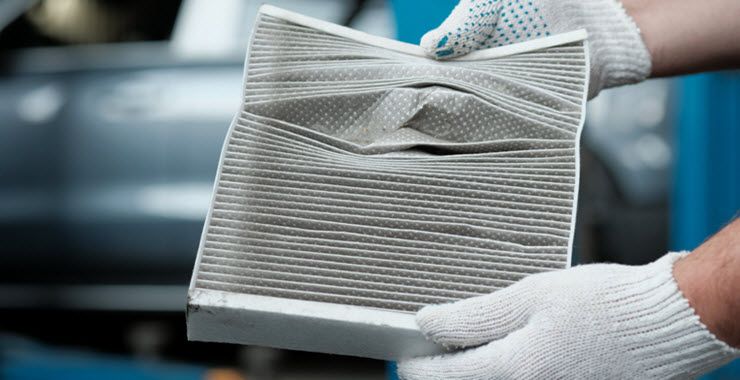
Gloved hands holding a dirty, compressed car cabin air filter, showing wear and damage.
By Ryan Burton December 27, 2025
Do your Jaguar’s windows fog quickly, or does the cabin air quality suffer? Then the cabin air filter in the car is degraded or damaged. But, worry not! Visit our independent auto service shop, Rob’s Import Repair in Appleton, for repairs and to prevent future issues in your Jaguar. Cabin Air Filter Degradation and How […] The post Foggy Windows & Poor Air Quality? Jaguar Cabin Filter Problems to Watch For in Appleton appeared first on Rob's Import Repair.
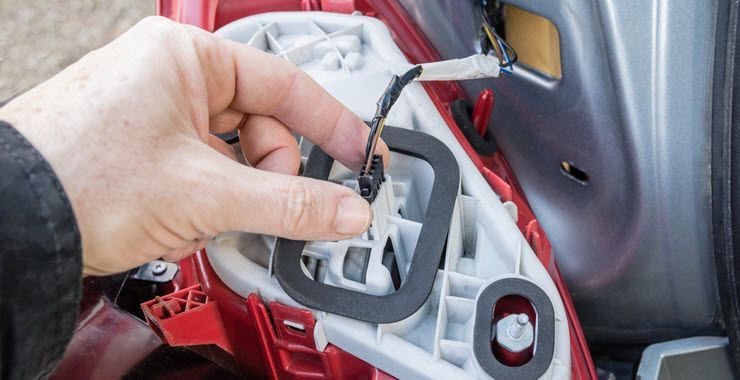
Hand holding wire connector, next to a car tail light housing, connecting a light.
By Ryan Burton November 30, 2025
Driving through the picturesque city of Appleton, WI, is normally a refreshing experience for many Audi owners, until issues arise with your vehicle’s tail lights. Problems with tail light function are a serious safety concern and should be addressed immediately. Driving with a malfunctioning tail light on busy Appleton roads and through rapidly changing weather […] The post Enhance Your Safety On Appleton Roads With a Brighter Audi Tail Light appeared first on Rob's Import Repair.

Oil being poured from a black container into an orange funnel, engine bay in background.
By Rob Newhouse October 26, 2025
Do you want your Volvo to perform at its best for years to come, free from consistent engine-related issues? The engine is the car’s most crucial component, and its proper maintenance gives it high efficiency, durability, and dependability. When engine problems occur, they are not only costly and annoying but can also culminate in total […] The post How Our Professional Inspection Can Extend Your Volvo’s Engine Life in Appleton, WI appeared first on Rob's Import Repair.

Show More →
